Twentywineteen
2019: Wine
The first Year Of.
The Approach
I started this year knowing almost nothing about wine. My strategy was simple: jump in. I tasted everything I could get my hands on, read dozens of wine books, and worked an actual harvest. I listened to wine podcasts daily and created an Airtable to log tasting notes for the 300+ wines I drank that year. Along the way, I met wine professionals who generously shared their knowledge — and opened some great bottles. Thank you. This is my attempt to document and share what I learned — along with some photos from Twentywineteen.
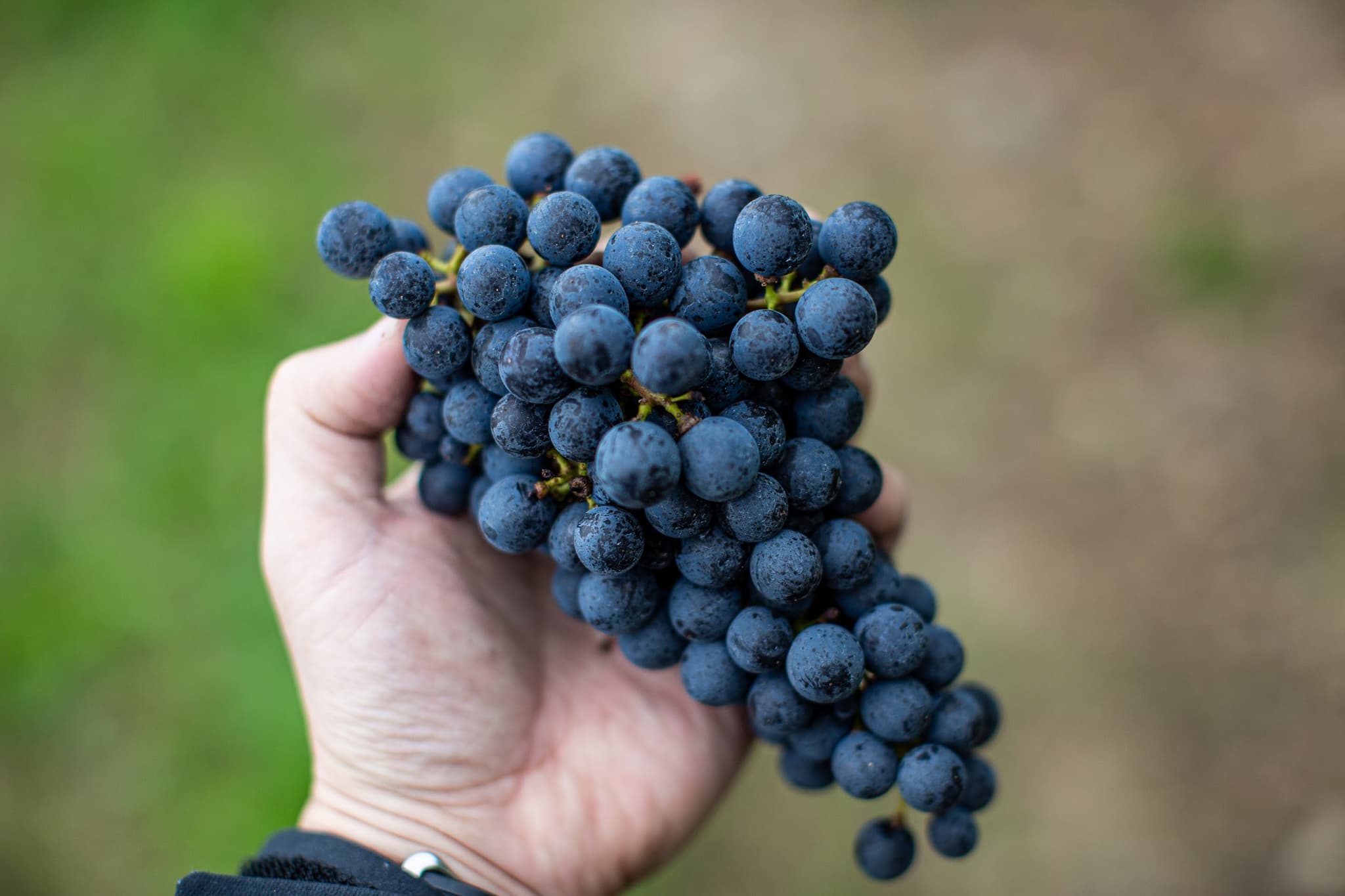
Good wine starts with good grapes. After all, wine is fermented fruit juice.
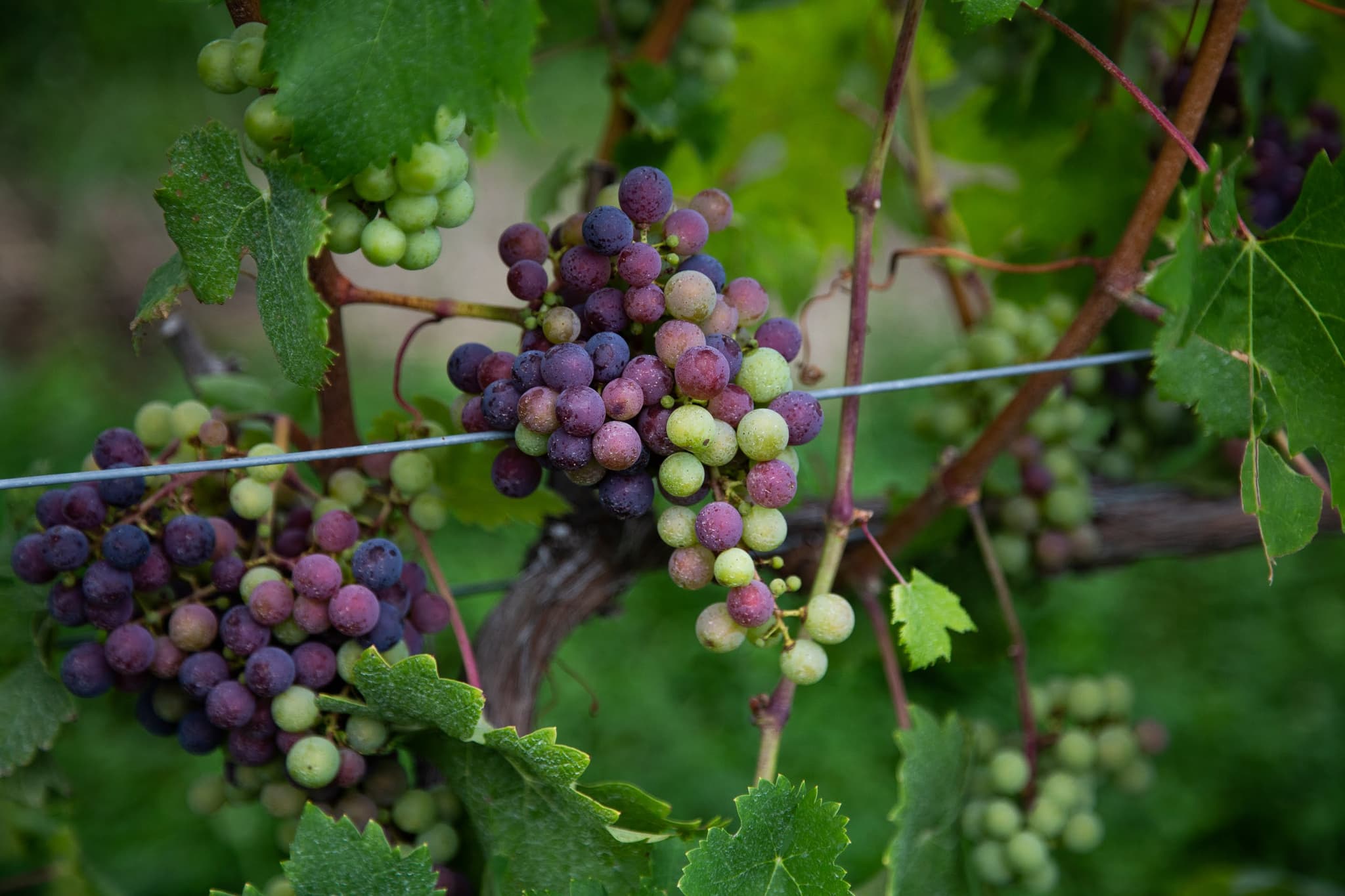
It sounds obvious: winemaking is farming first. Biodynamic practices, hand-harvesting and sorting, dry irrigation — so much care goes into the vineyard because the quality of the fruit determines the quality ceiling. Like any craft, the raw materials matter.
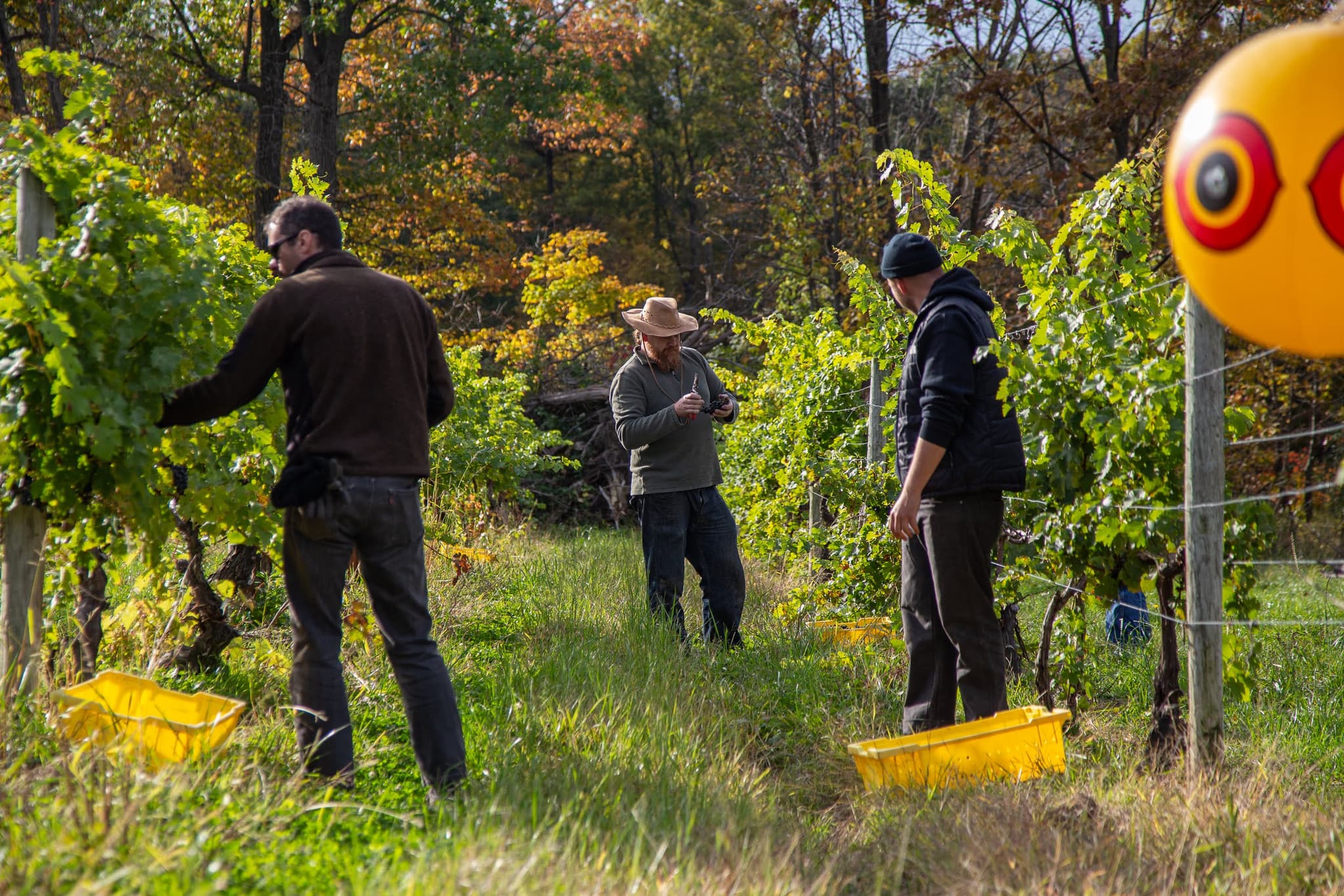
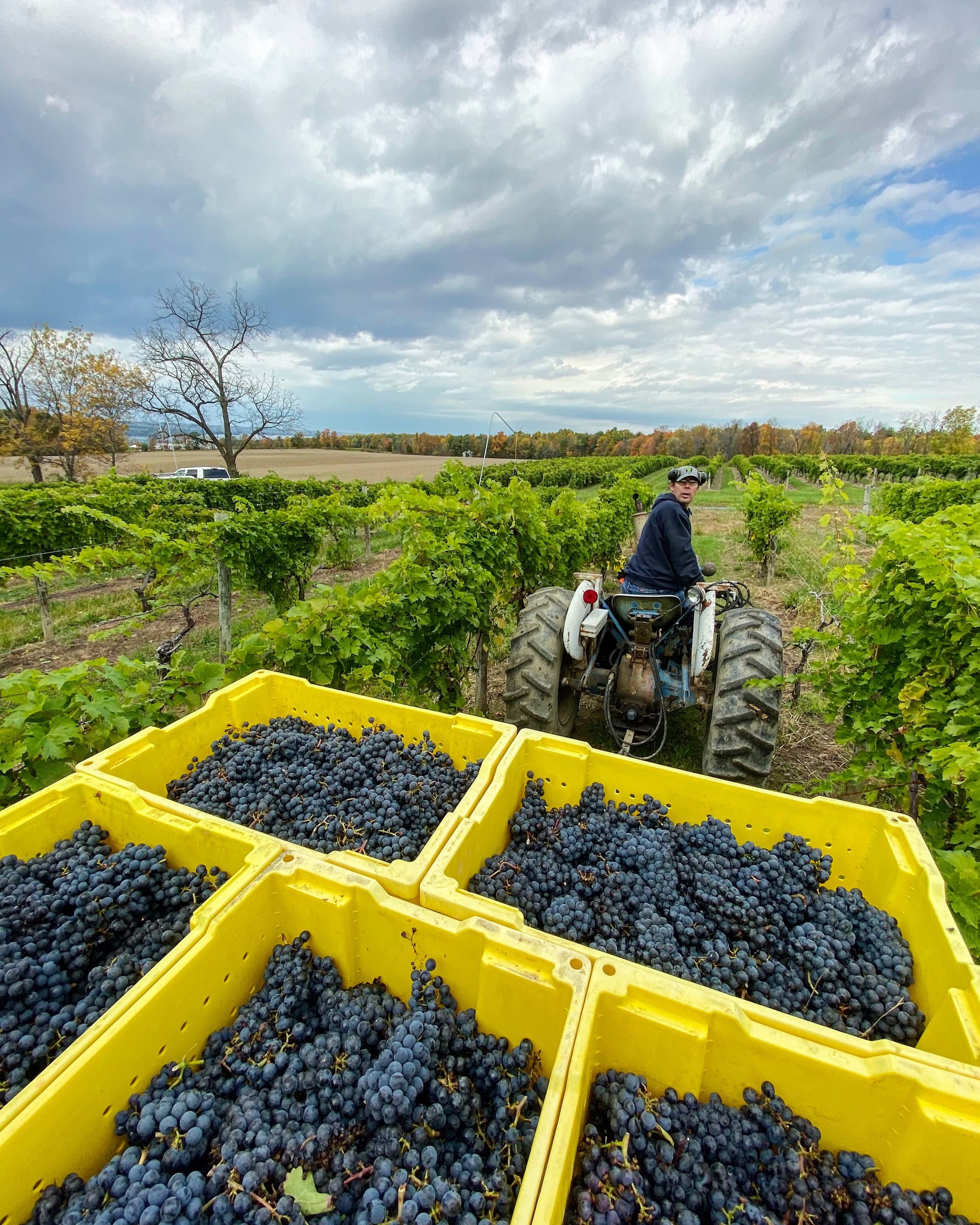
Working harvest with Master Sommelier Christopher Bates at his vineyard in the Finger Lakes — seeing firsthand how much care goes into each cluster
Terroir = wine-speak for where and how grapes grow.
The same grape variety grown in different places produces different fruit, hence different wines. Take Pinot Noir. In Burgundy, the cool climate produces wines that are earthy and delicate. In California, abundant sun makes them riper and bolder. Soil matters too—how rainwater drains, how deep roots grow, how much the vine struggles. Add slope, sun exposure, and generations of tradition, and no two places make the same wine.
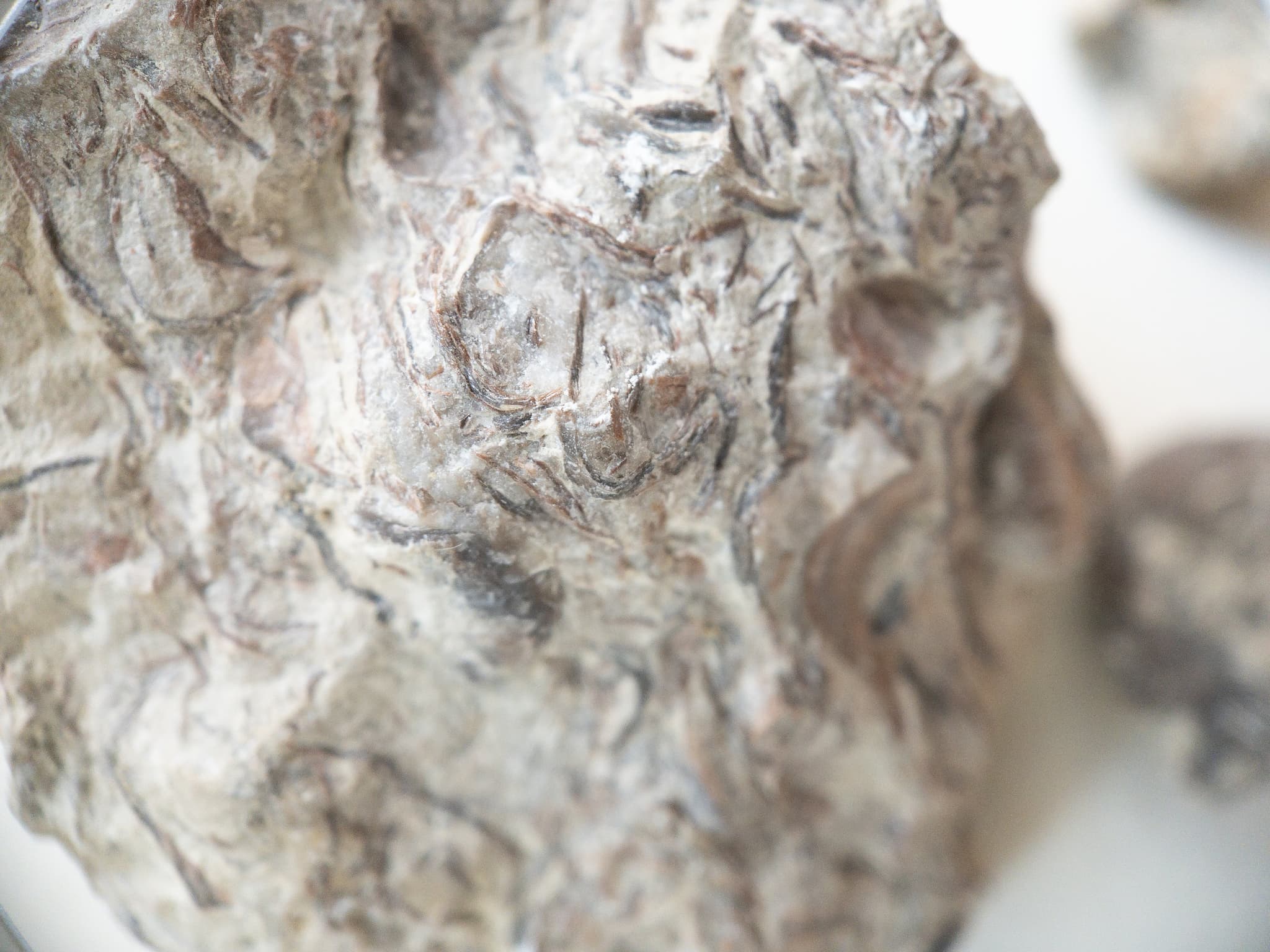
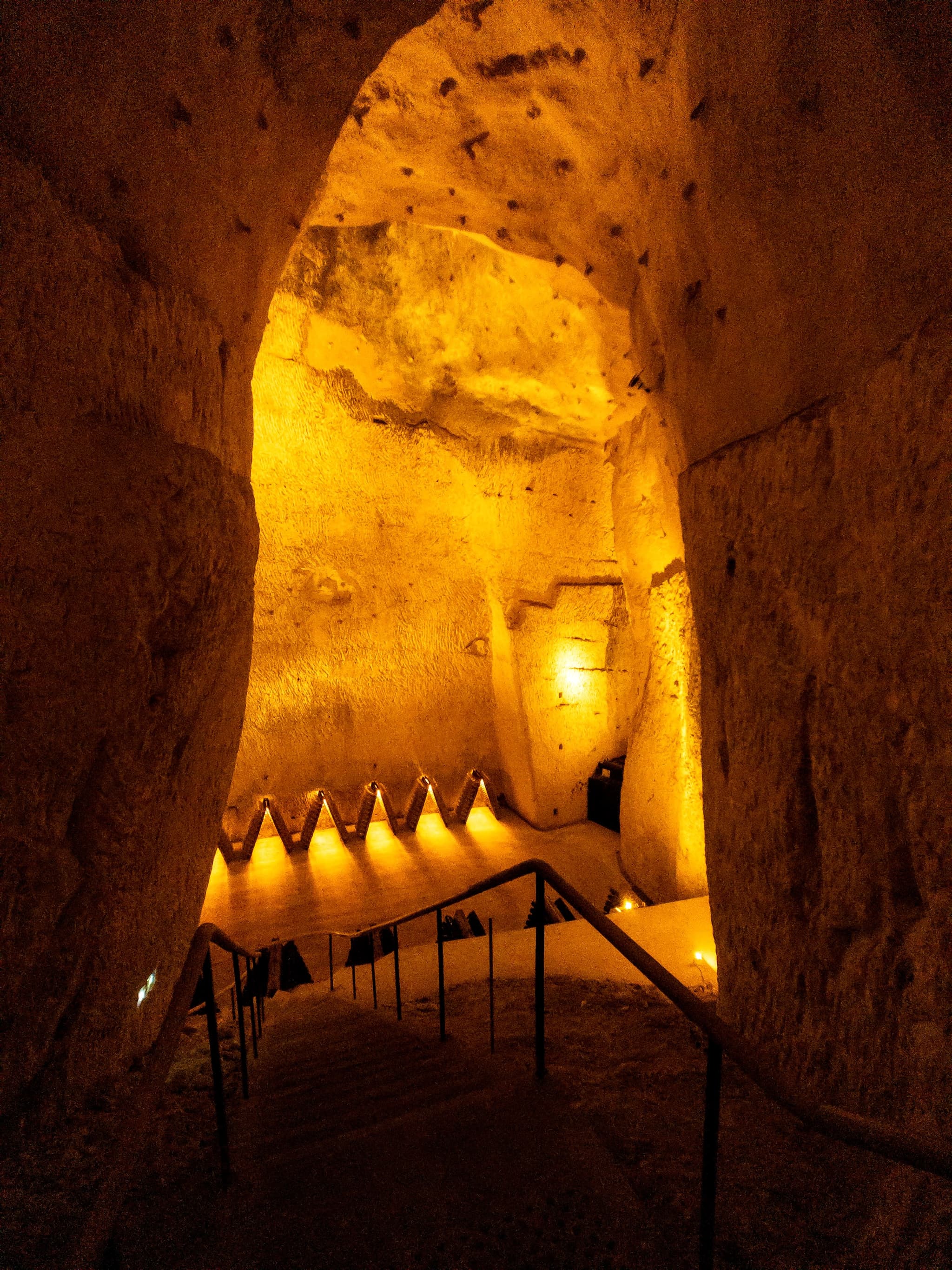
Ancient marine chalk soil at Ruinart in Champagne — shaping the wine's mineral and saline character
Old vs. New World is a useful shorthand for understanding style and philosophy.
Old World (Europe) is shaped by tradition and labels by place. New World (California, Australia, South America) experiments more and labels by grape. Both make incredible wine—just different philosophies. Generalizations, of course.
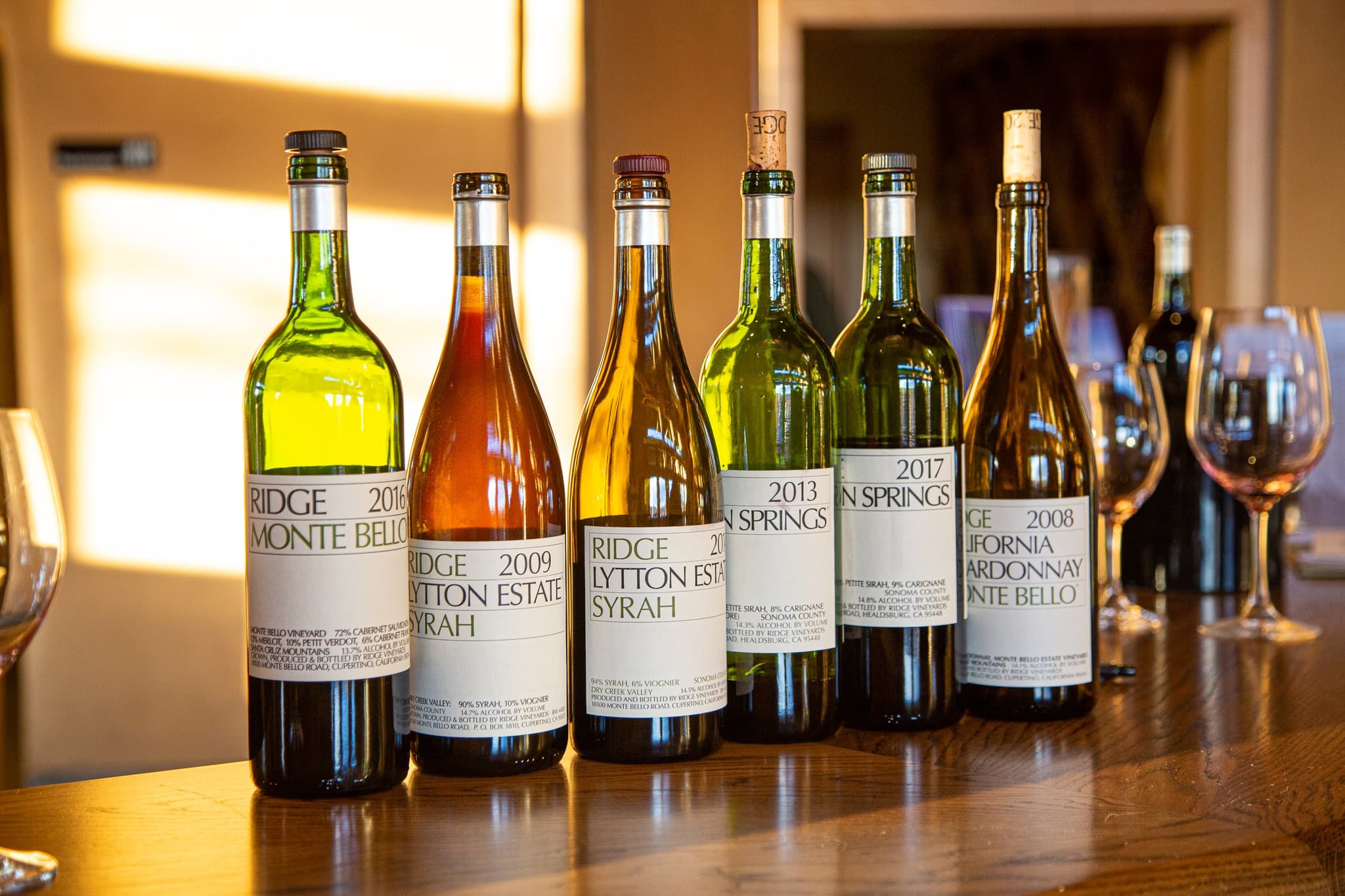
A tasting at Ridge in California — an iconic New World producer with equally iconic labels (and a personal favorite)
No wine region left a bigger impression than Champagne.
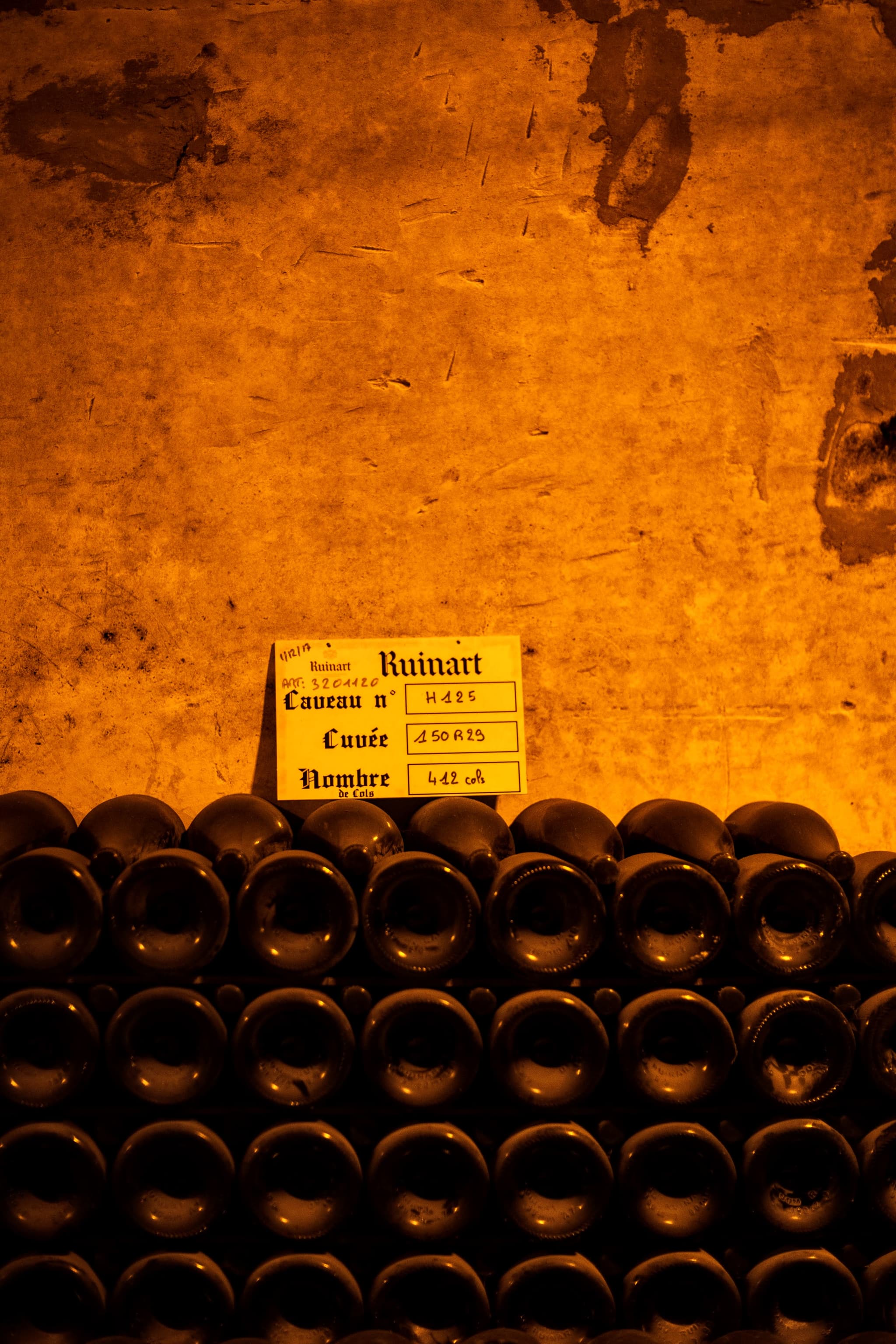
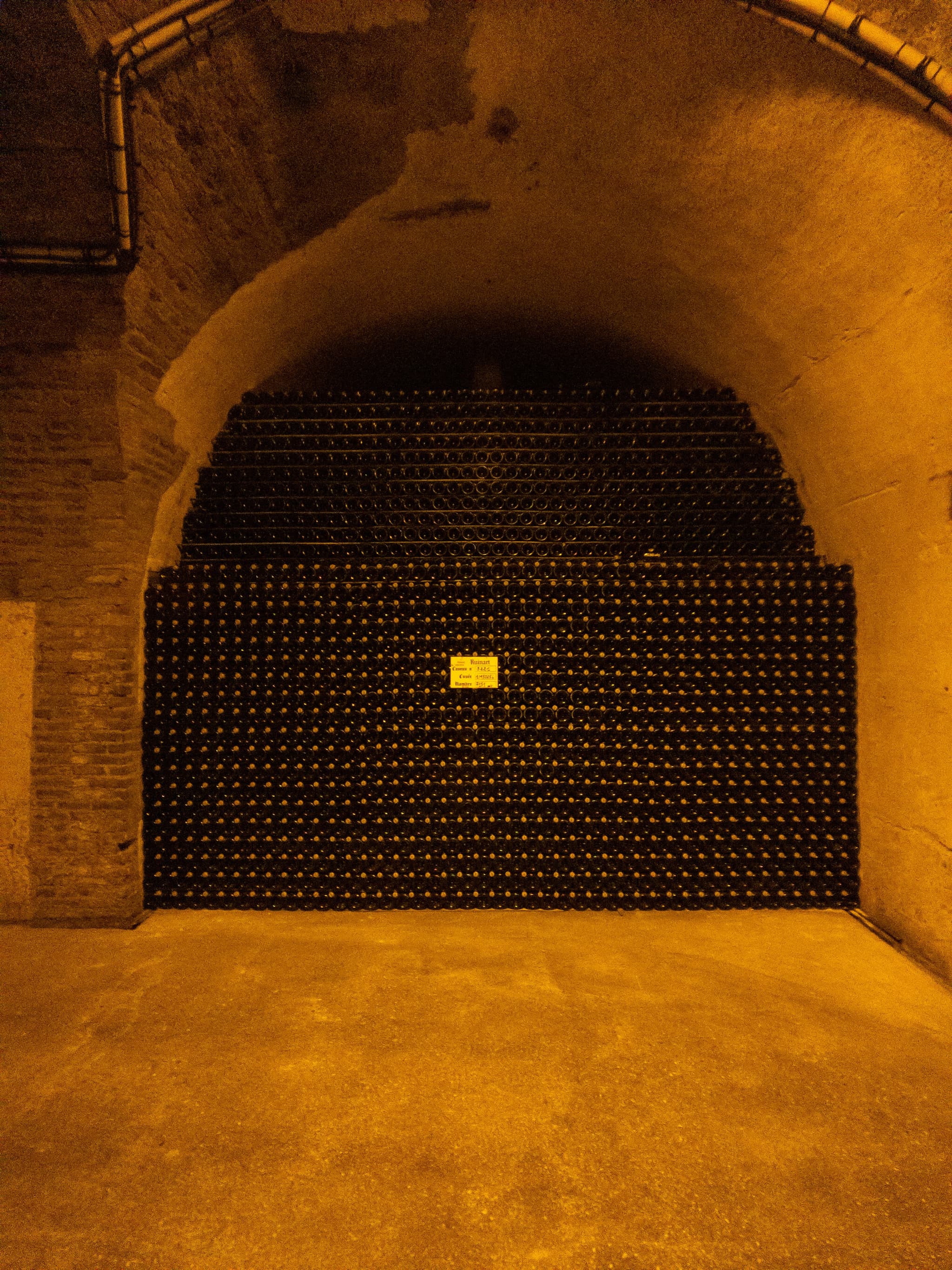
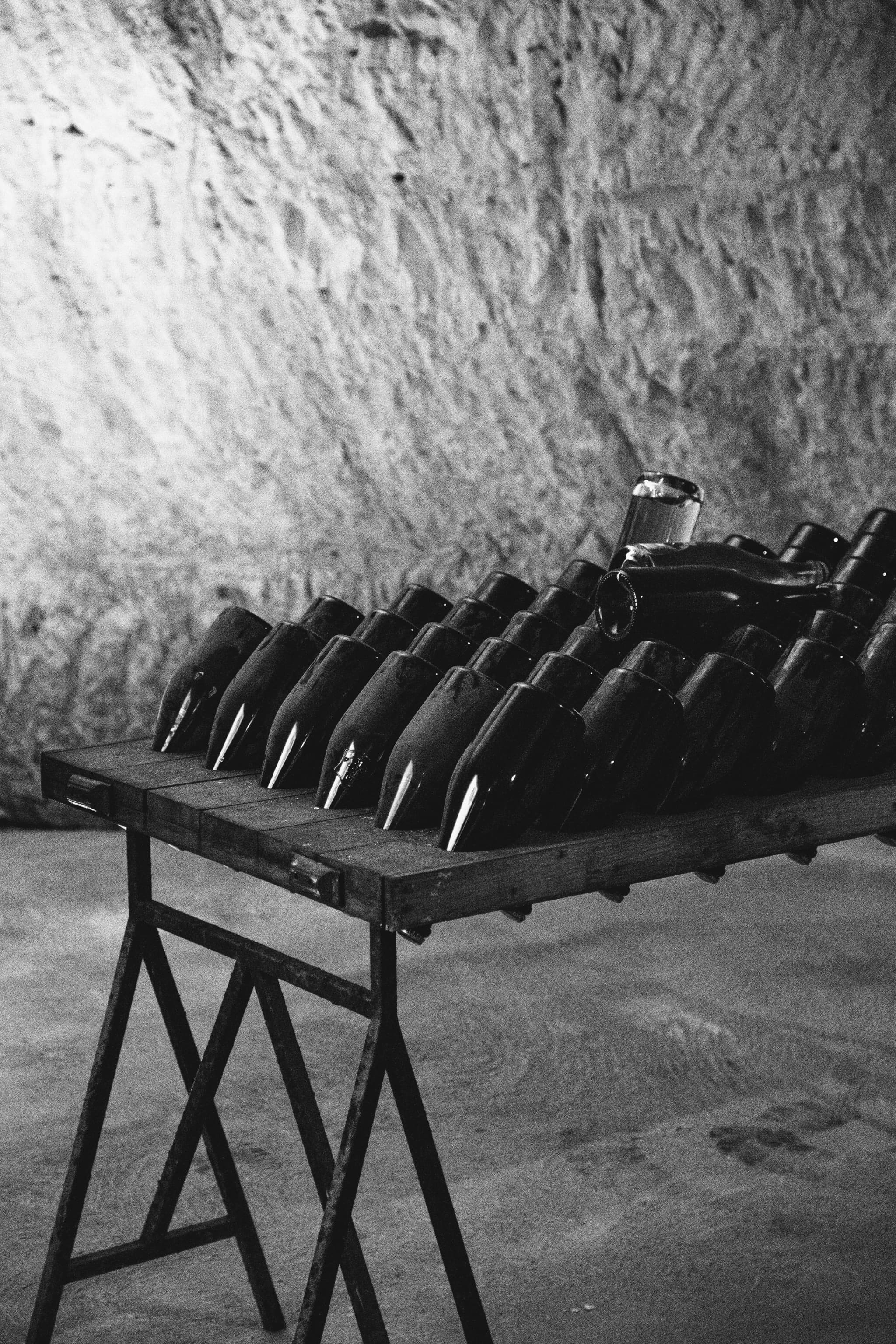
Visiting the crayères in Reims — ancient Roman chalk quarries, now home to millions of aging bottles
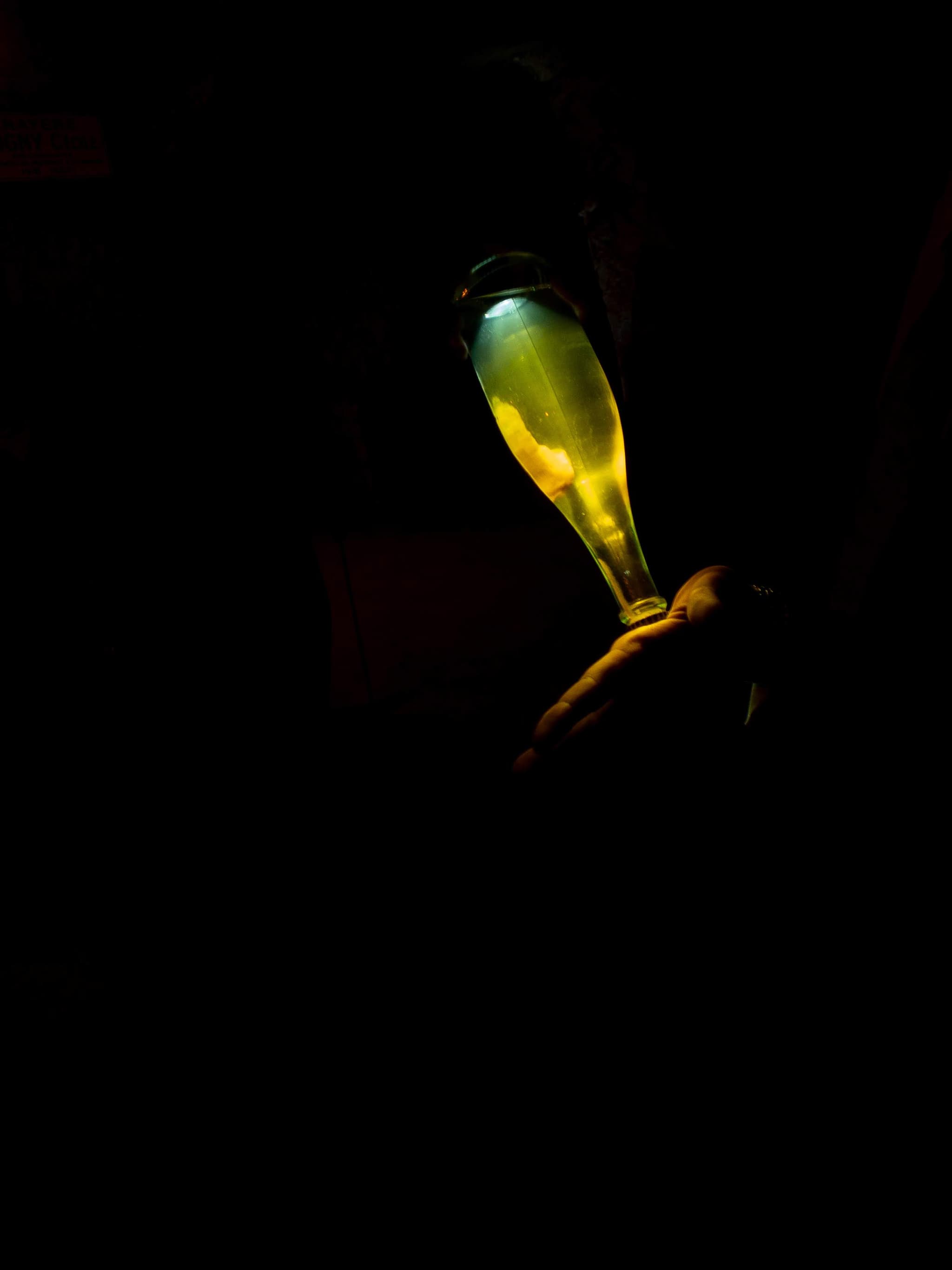
Champagne requires time, pressure, and precision.
The magic is in the process: after initial fermentation, the wine ferments again inside the bottle—that's where the bubbles come from. Each bottle is slowly rotated to collect sediment, then aged for years in chalk cellars. By law, at least 15 months; in practice, often far longer—which is why Champagne shows more complexity than other sparkling wines. Few wines demand this much patience. That's what makes it delicious.
The lees — dead yeast aging in the bottle, giving Champagne its brioche, toast, and creamy texture
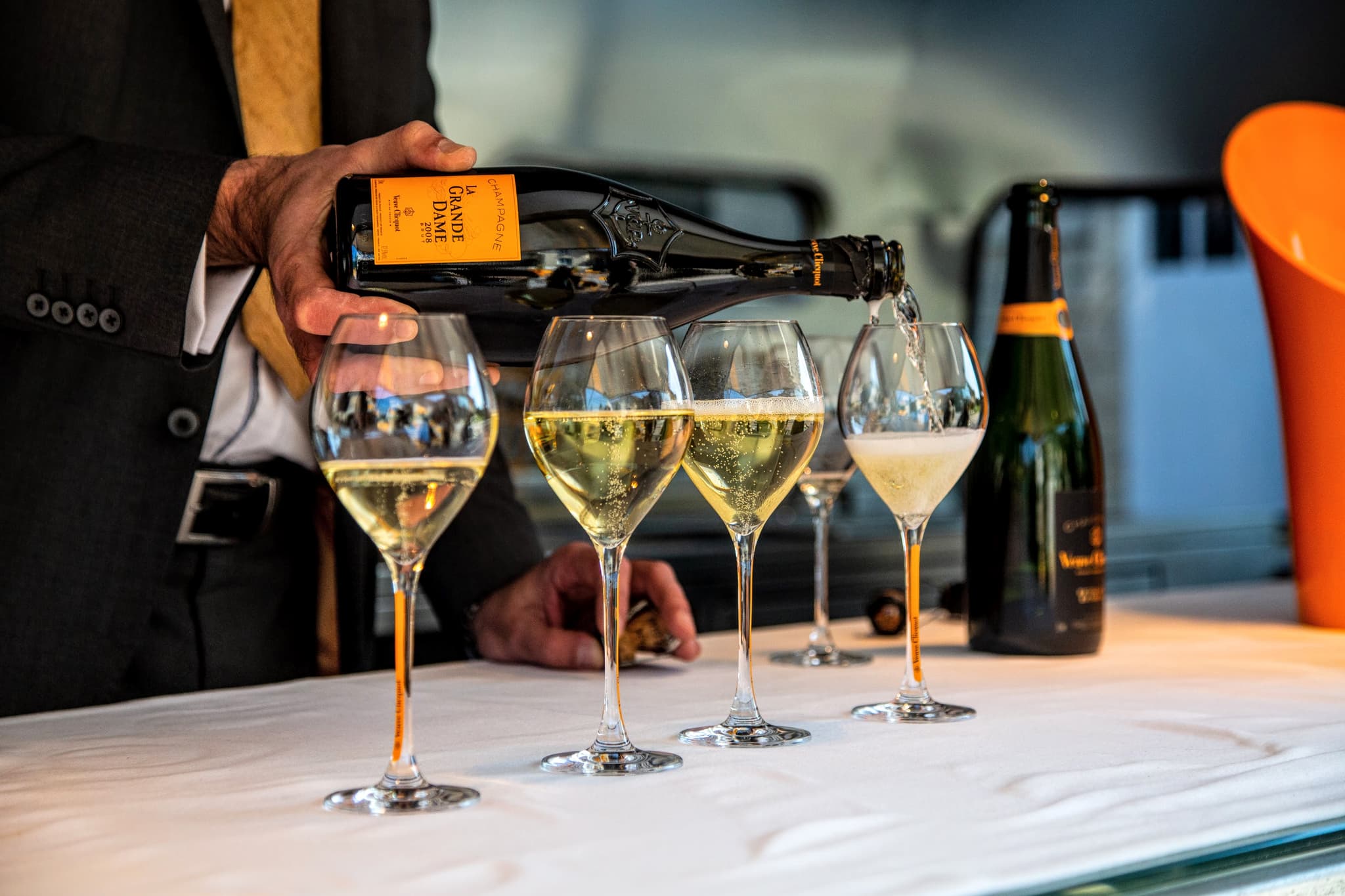
Tip: drink Champagne in regular wine glasses, not flutes.
Champagne is a complex wine, and serving it in a proper glass allows its texture, depth, and nuance to show—not just the sparkle. A wider bowl lets the wine breathe and concentrates its aromas, which are essential to how we perceive flavor. Flutes trap aromas, limit oxygen contact, and focus only on bubbles, making wines taste flatter and less expressive.
Tasting Veuve Clicquot's prestige cuvée La Grande Dame — Pinot Noir dominant, aged longer, made only in select vintages
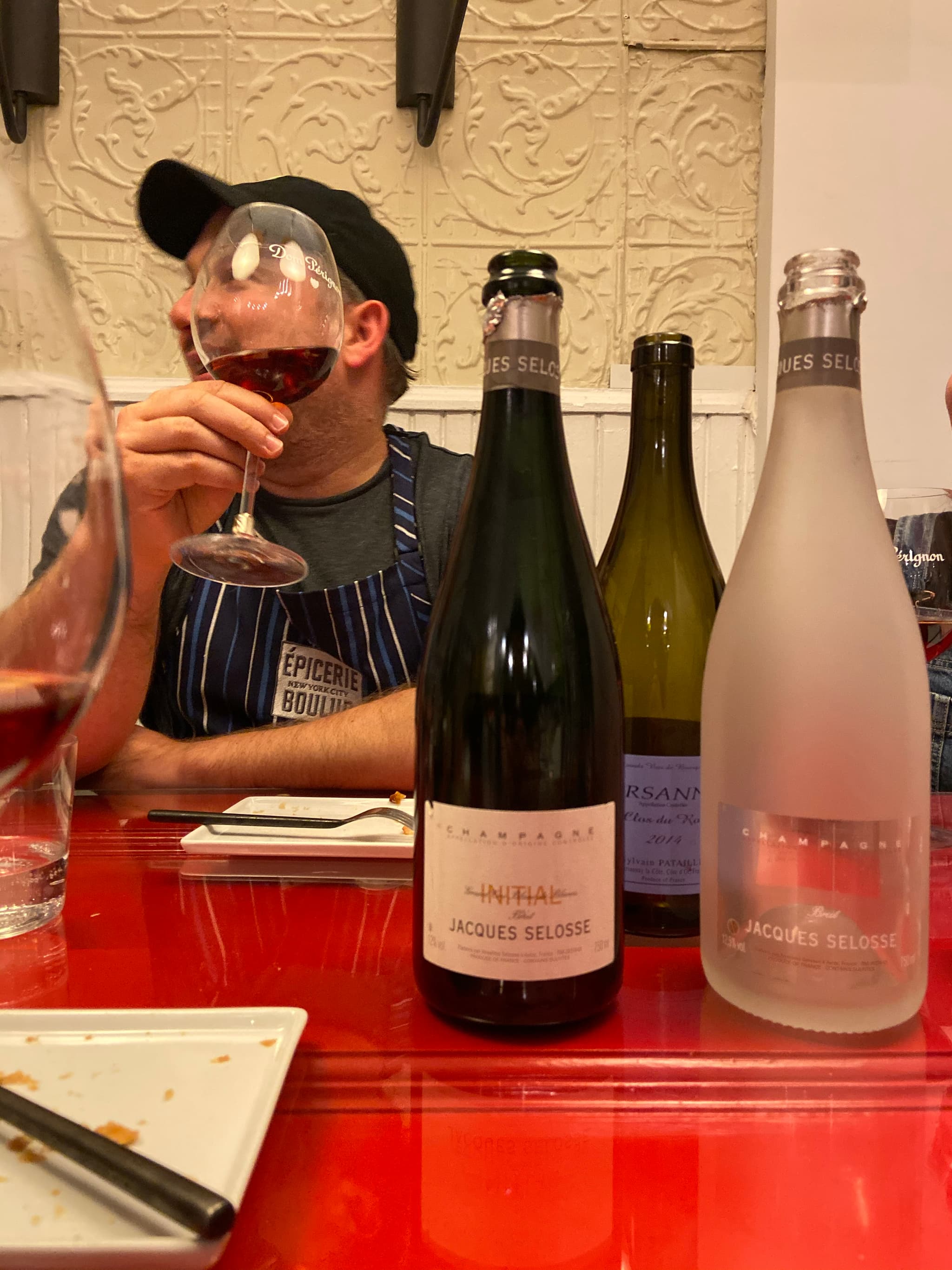
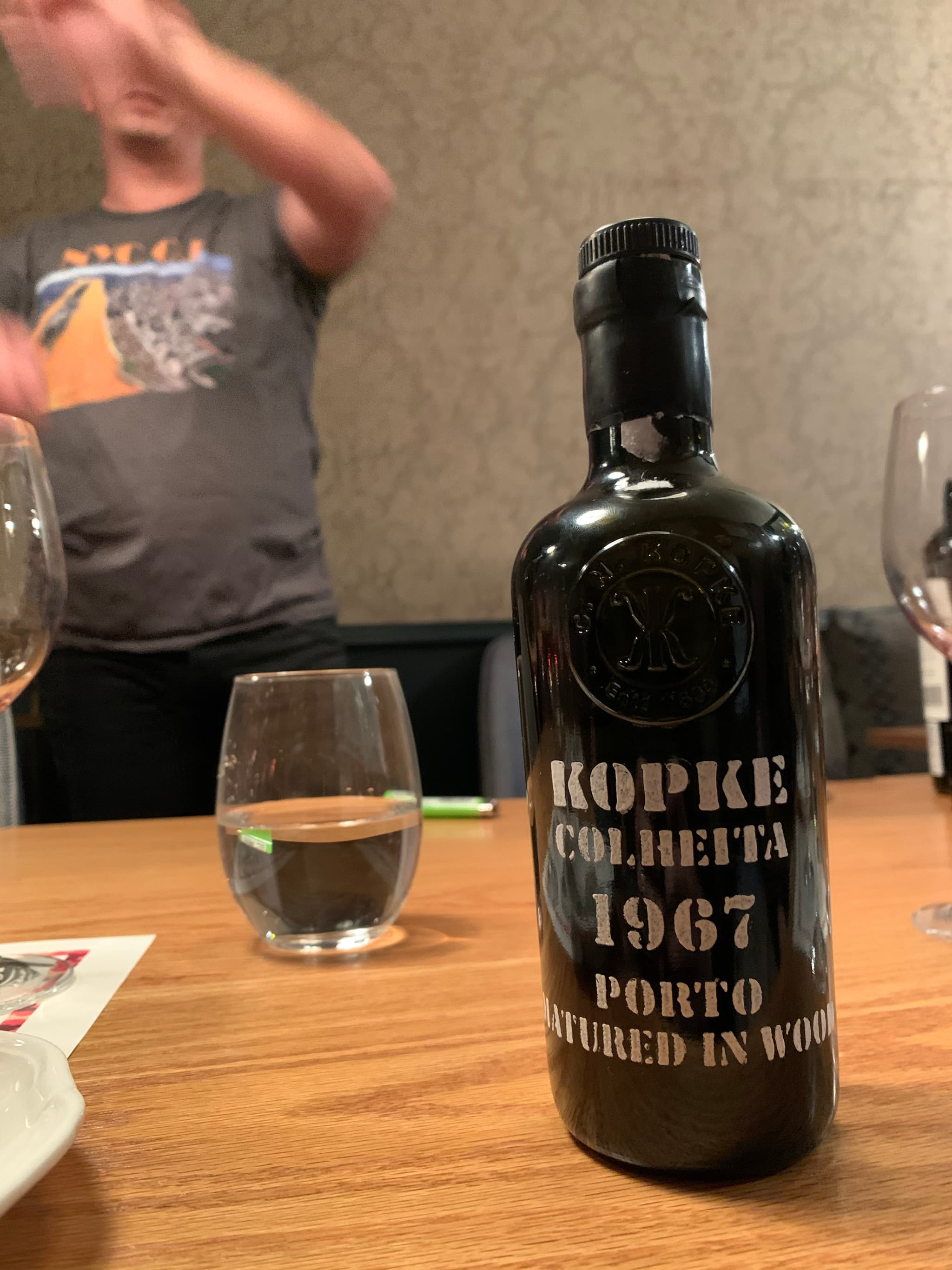
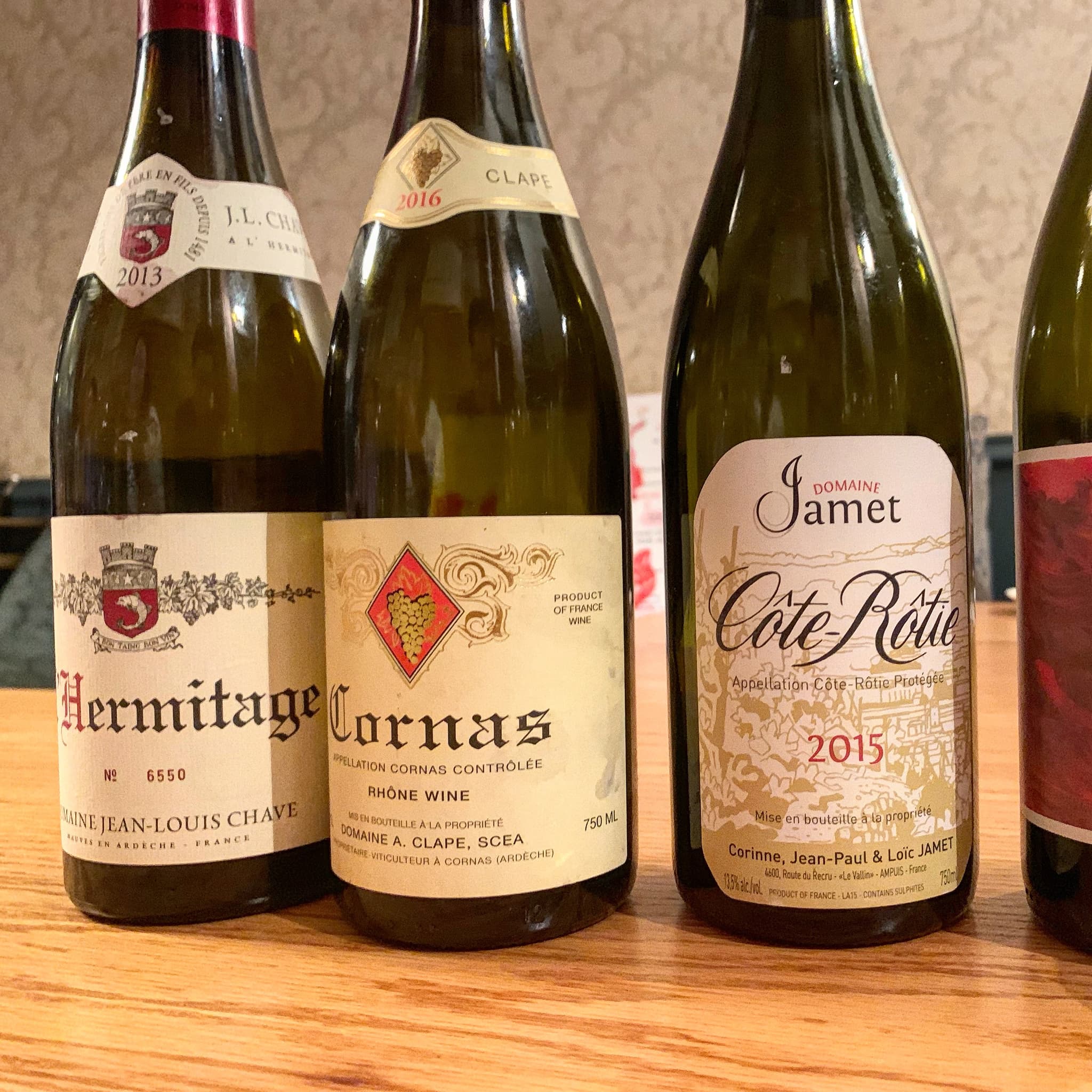
Tasting is deductive. It's based on shared vocabulary. And it's a skill you can develop.
There are actual logic grids — CMS and WSET have frameworks that walk you step by step through color, aroma, structure, and finish. But it's rooted in vocabulary and experience. If you've never tasted a currant, you won't recognize it in a glass. The system works — but you have to build the reference library.
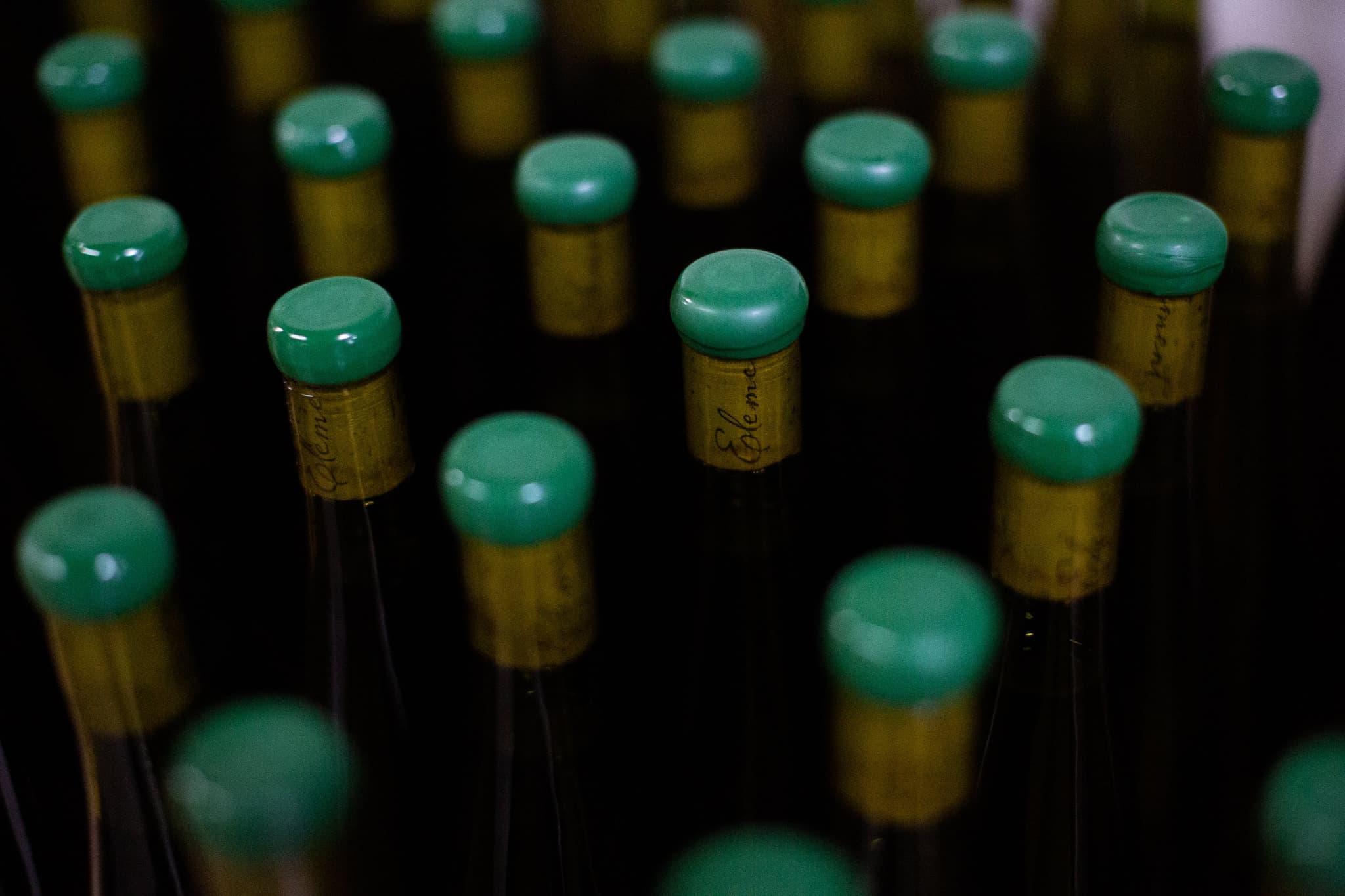
Some hacks I learned
- •You can pull the foil off most wine bottles without cutting it — twist it off (it feels like magic).
- •Wax seals? Ignore them. Simply use a corkscrew as if the wax wasn't there.
- •Finding good wine at a shop? Check the importer on the back label. The good ones have already done the hard work. Look for Kermit Lynch, Skurnik, Rosenthal, Becky Wasserman, Vom Boden, or Jenny and François.
A few more hacks
- •Serving temperature changes the taste of wine — think warm soup vs. cold soup. Reds are usually too warm, whites too cold. Pull whites from the fridge 20 minutes early; pop reds in for 15.
- •At a restaurant? Talk to the somm. Don't be shy about budget (it helps them). The best ones will be friendly, supportive, and pour you some great wine.
- •If a nice bottle doesn't taste great on day one, cork it and try again tomorrow. Oxygen opens up the wine—sometimes dramatically.

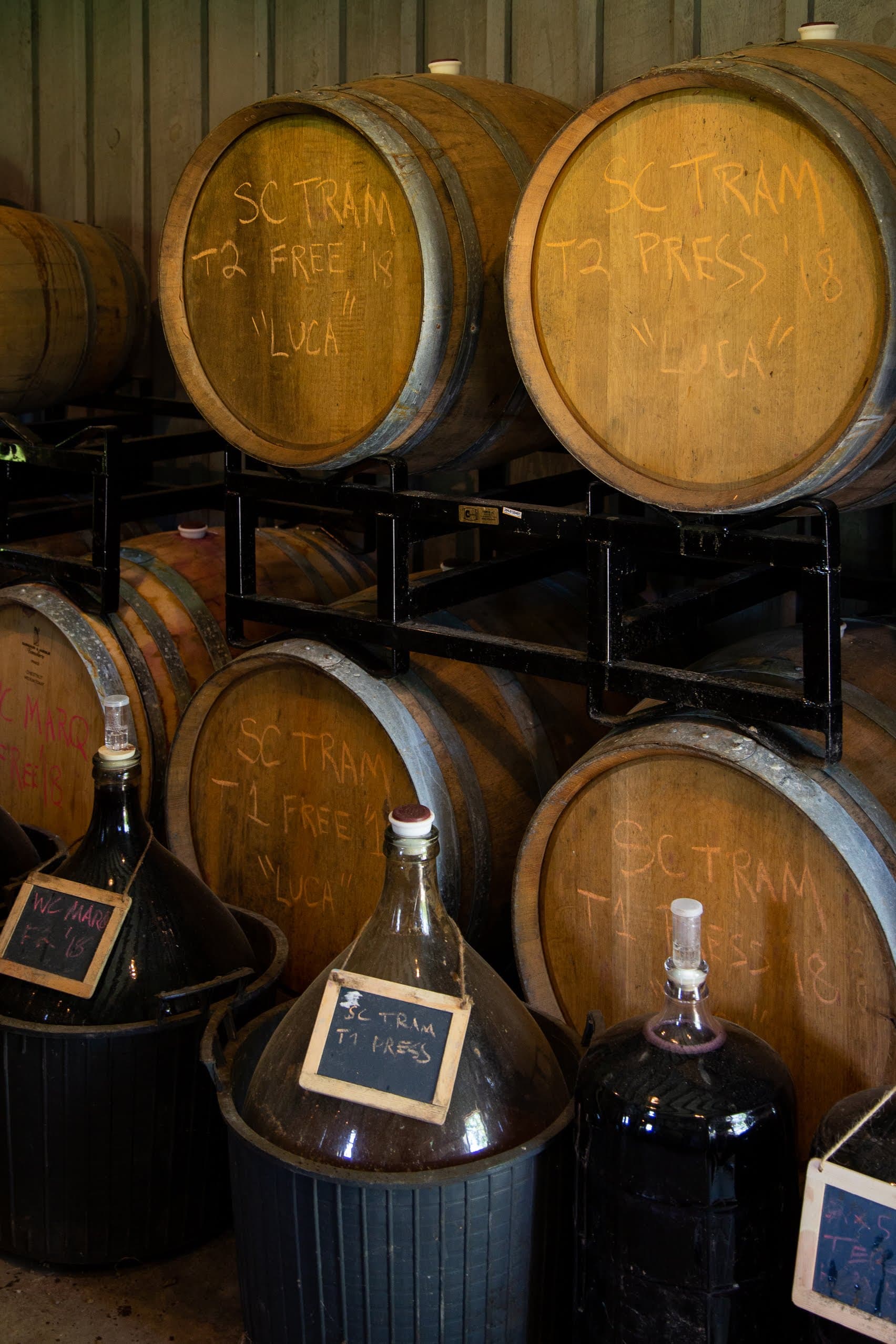
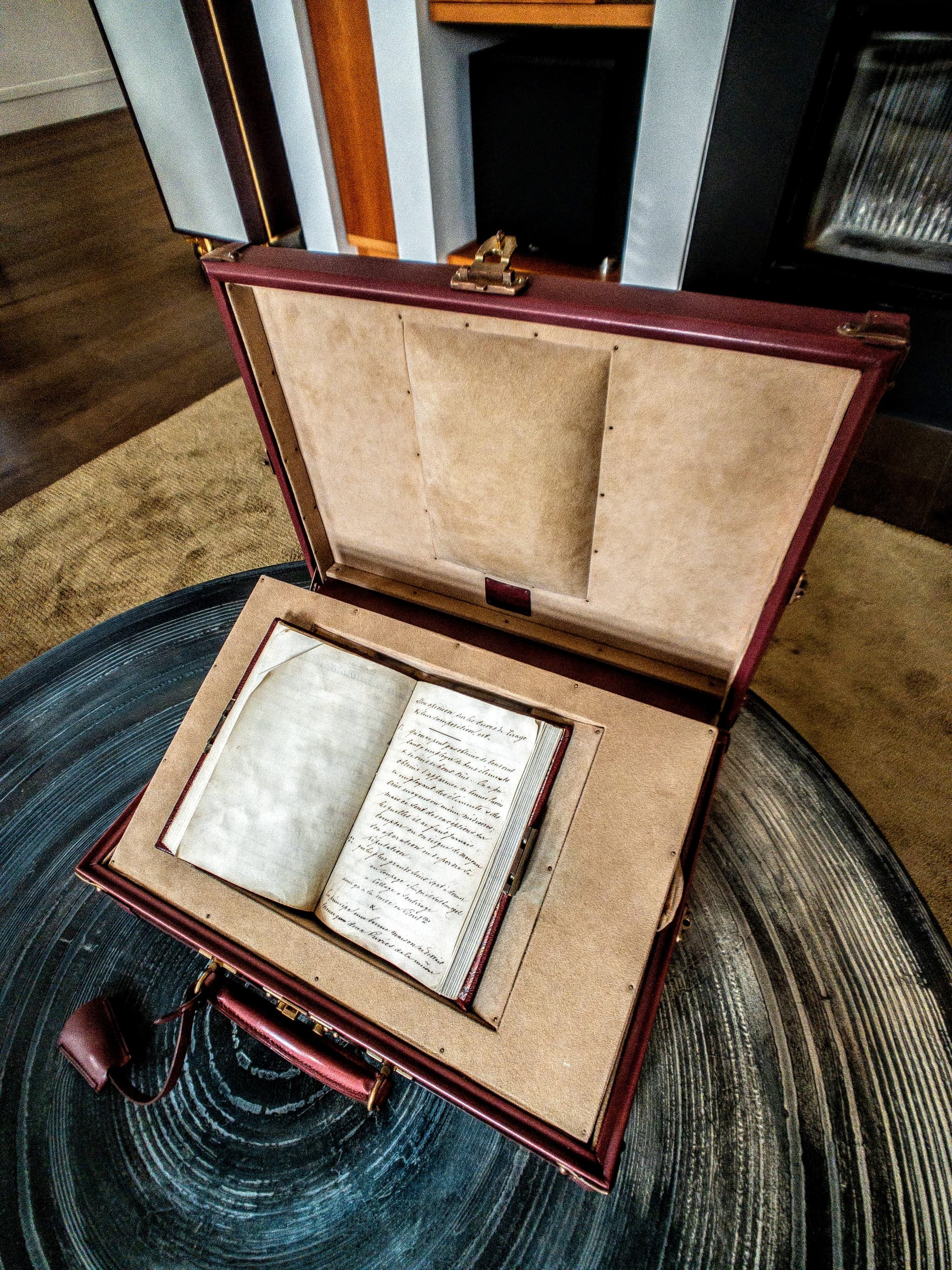
What I loved most: the people, the places, the history.
Climate change is rewriting the wine map.
Remember: winemaking is farming first. And farming depends on climate. Warmer temperatures mean earlier harvests, shifting growing regions, and winemakers planting grapes that would've been unthinkable a generation ago. Traditional regions are struggling with heat; new ones are emerging in places like England. The wine world in 20 years will look very different from today.
Fun fact: row spacing in modern vineyards is designed around tractor width
My favorite wine from the year? Whatever I was drinking.
There's so much to learn and drink. There's also a time and place for everything: serious bottles, cheap finds, fun experiments. The beauty of wine is the variety. There's always something that fits the moment.
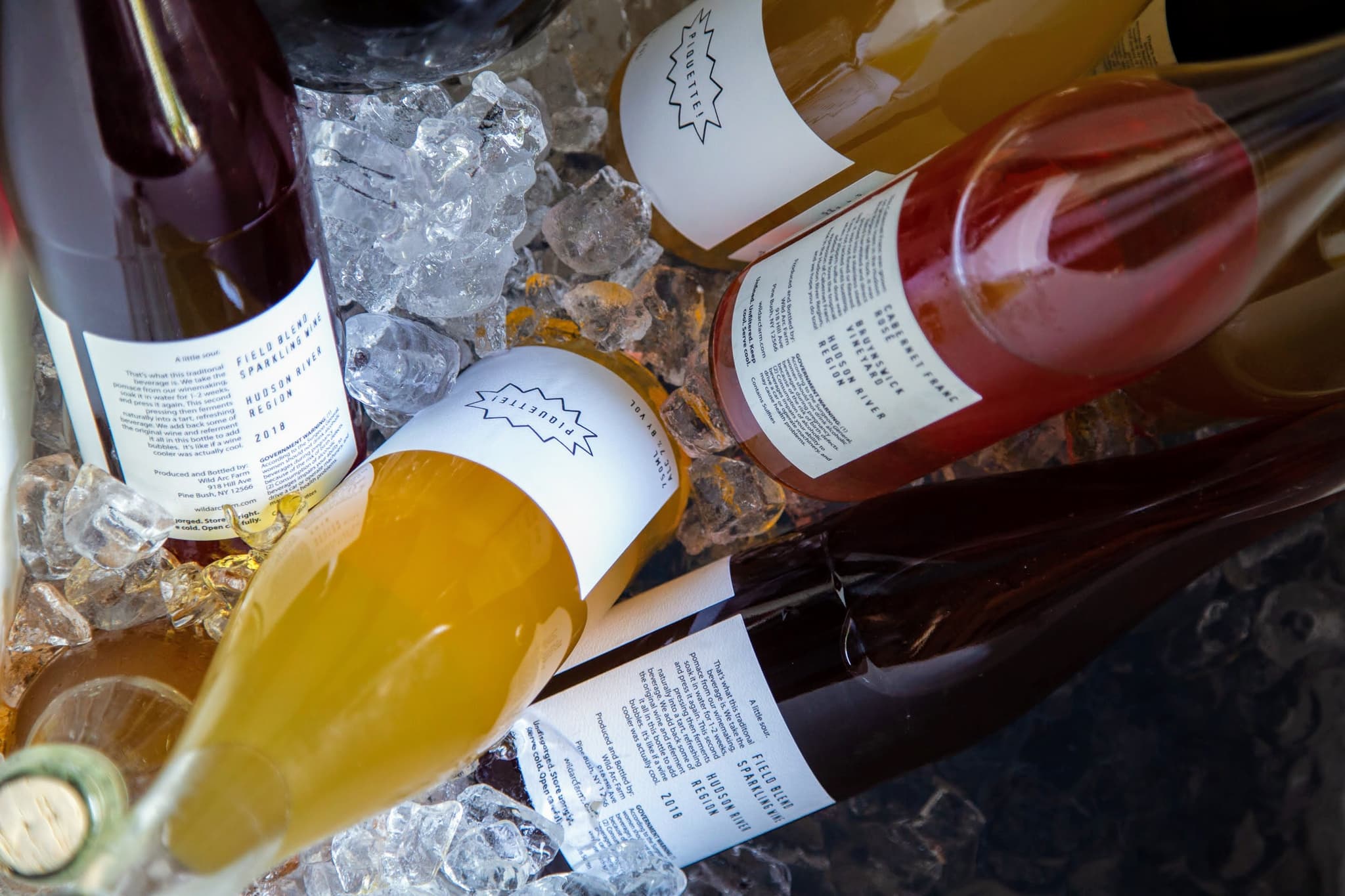
Wild Arc Farm's piquette — a low-alcohol, fizzy wine made from second-press grapes. Fun and experimental.
My favorite resources

Wine Chemistry with P.J. Alaimo
GuildSomm podcast diving deep into wine chemistry. Dr. Alaimo explains the chemical components of wine and why different wines taste, feel, and look the way they do.
As they say, wine improves with age. The older I get, the better I like it.
Twentywineteen was just the beginning. Still drinking, still learning. In 2024, I passed my WSET Level 2 wine certification with Distinction. No plans to stop... cheers!